
In Electric Arc Furnace (EAF) and Basic Oxygen Furnace (BOF) steelmaking, tapping deoxidation efficiency and alloy recovery directly determine the overall cost per ton of liquid steel. Traditional deoxidation relying on Ferrosilicon (FeSi75) combined with petroleum coke recarburizers not only incurs high material costs, but also frequently causes poor slag fluidity, Submerged Entry Nozzle (SEN) clogging during continuous casting, and re-sulfurization risks.
Metallurgical Grade Silicon Carbide Deoxidizer (SiC) is a strong exothermic composite deoxidizing agent. By leveraging the synergistic reduction of Si and C during tapping and Ladle Furnace (LF) refining, SiC enables deep deoxidation and recarburization, serving as an ideal metallurgical additive to replace expensive ferrosilicon and optimize slag performance in modern steel mills.
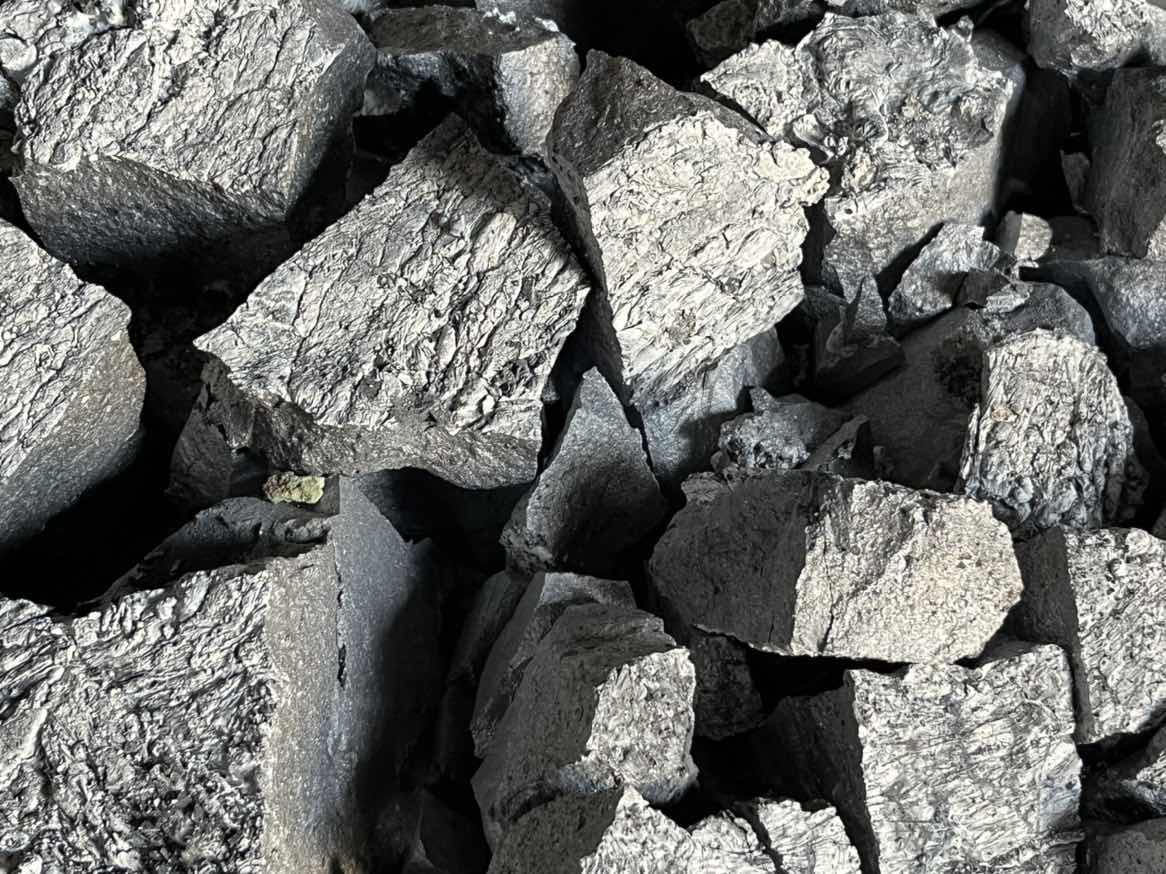
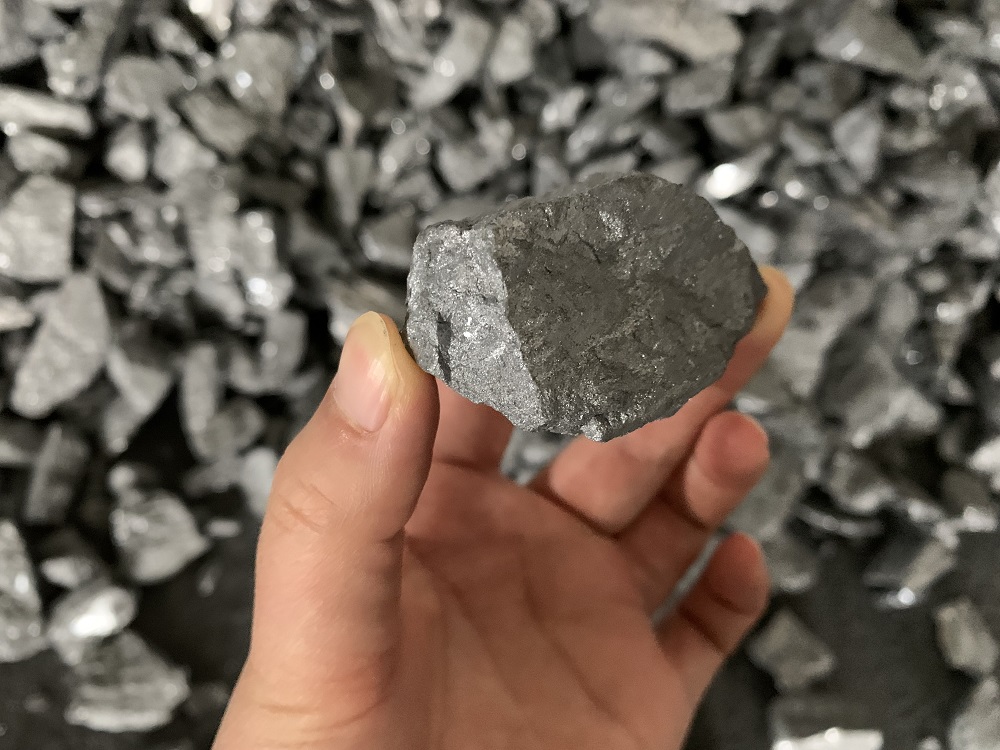
Metallurgical Mechanisms & Solutions for Steel Mill Pain Points
1. Significantly Lower Deoxidation & Recarburization Costs
-
Pain Point: Volatile market prices of Ferrosilicon (FeSi 75%) increase tapping costs per ton of steel.
-
Solution: SiC contains 88%–95% active silicon carbide. In the deoxidation reaction, 1 kg of SiC theoretically replaces approximately 1.15 kg of Ferrosilicon (FeSi75) and 0.35 kg of recarburizer. By partially or completely replacing Ferrosilicon, steel mills can reduce deoxidation material procurement costs by 15%–25%.
2. Strong Exothermic Effect & Thermal Compensation
-
Pain Point: Severe heat loss during tapping leads to higher power consumption or longer oxygen blowing during refining.
-
Solution: The reaction between silicon carbide and dissolved oxygen in liquid steel (SiC + 2[O] → SiO₂ + CO↑) is strongly exothermic. Adding 1 kg of SiC provides noticeable thermal compensation to the melt, helping stabilize tapping temperatures and shortening LF heating cycles.
3. Improved Slag Fluidity & Reduced SEN Clogging
-
Pain Point: Corundum inclusions (Al₂O₃) generated by aluminum deoxidation readily adhere to the inner wall of the tundish nozzle, leading to interrupted continuous casting.
-
Solution: Microscopic SiO₂ generated by SiC deoxidation rapidly reacts with CaO in the slag to form a low-melting calcium silicate slag system. This enhances slag fluidity while promoting the flotation and absorption of deoxidation products, significantly minimizing the risk of nozzle clogging
Chemical & Physical Specifications
We supply tailored chemical grades and particle sizes based on your specific melting practice (EAF, BOF, or secondary refining):
|
Chemical / Physical Parameter |
SiC 95% Grade (Premium) |
SiC 90% Grade (Standard) |
SiC 88% Grade (Economic) |
|
SiC (Silicon Carbide) |
≥ 95.0% |
≥ 90.0% |
≥ 88.0% |
|
Free C |
≤ 1.5% |
≤ 2.5% |
≤ 3.5% |
|
Fe₂O₃ |
≤ 0.8% |
≤ 1.2% |
≤ 1.5% |
|
S (Sulfur) |
≤ 0.05% |
≤ 0.08% |
≤ 0.10% |
|
P (Phosphorus) |
≤ 0.03% |
≤ 0.04% |
≤ 0.05% |
|
Standard Sizing |
0–10 mm, 1–5 mm, 1–10 mm |
0–10 mm, 10–50 mm |
10–50 mm, 压块 (Briquettes) |
Particle Size Control Note: Sizing can be custom-screened for ladle bottom placement or wire-injection systems. Fines content is strictly kept below 3% to prevent dust loss caused by de-dusting exhaust systems.
Economic Comparison: SiC Deoxidizer vs. Traditional "FeSi + Recarburizer"
Estimated tapping deoxidation cost comparison for an EAF steel mill with an annual output of 1,000,000 tons of carbon/low-alloy steel:
|
Evaluation Metrics |
Traditional Solution (FeSi 75% + Petroleum Coke) |
Optimized Solution (SiC Composite Deoxidizer) |
Metallurgical Benefits |
|
Primary Additive Combo |
Ferrosilicon 75% + Petroleum Coke |
SiC Deoxidizing Grains / Briquettes |
Material unit cost reduced by 20%+ |
|
Oxygen Activity Control (a[O]) |
Long refining needed to reach 20–30 ppm |
Rapidly drops to 15–20 ppm |
Shortens LF refining time by 3–5 min |
|
Alloy Yield / Recovery |
Silicon recovery ~75% |
Si recovery ≥ 82%, C recovery ≥ 85% |
Substantially higher alloy recovery rates |
|
Continuous Casting Sequence Rate |
Requires frequent nozzle flushing or Ca-wire treatment |
Inclusions float efficiently with minimal nozzle buildup |
Sequence casting heats increased by 15%–20% |
Standard Operating Procedure for Ladle Deoxidation
To ensure SiC deoxidizer reacts completely at the bottom of the ladle, the following ladle bottom placement method is recommended:
Quality Assurance & Global Export Packaging
To address concerns regarding batch consistency and transportation degradation for overseas buyers, we maintain strict quality control and export packaging protocols:
-
Rigorous Size Screening: Multi-layer vibrating screens perform secondary screening to remove fines, ensuring materials are not drawn away by dust collection systems during furnace addition.
-
Moisture-Proof Sealed Packaging: Packed in 1000 kg jumbo bags with an inner PE moisture-proof liner and bottom discharge spout. Rainproof and moisture-proof for long-distance sea freight and open-air storage.
-
Certified Test Reports: Every batch comes with a factory Certificate of Analysis (COA). Third-party inspection certificates from SGS, AHK, or Intertek are available upon request.