
In modern metallurgy, carbon additives—also known as recarburizers or carbon raisers—are vital for adjusting carbon levels during electric furnace melting, ladle refining, and foundry iron casting. By utilizing high-purity carbon additives, steelmakers and foundries can substitute expensive pig iron with steel scrap, dramatically reducing raw material costs while achieving precise target metallurgy.
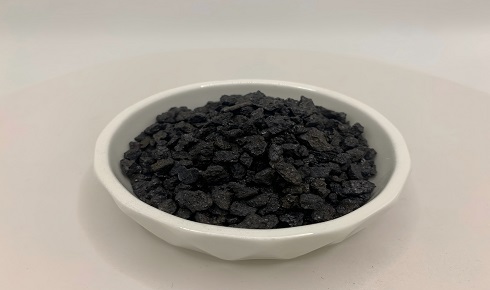
Primary Types of Carbon Additive Products
Choosing the correct carbon additive depends on furnace type, melting temperature, and target nitrogen/sulfur sensitivity.
-
Graphitized Petroleum Coke (GPC): Features Fixed Carbon 98.5%–99.5%, Sulfur ≤ 0.03%–0.05%, and Nitrogen ≤ 100–300 ppm. Used primarily for high-end ductile iron, alloy steel, and automotive castings.
-
Calcined Petroleum Coke (CPC): Features Fixed Carbon 98.0%–98.5%, Sulfur ≤ 0.5%–1.0%, and Nitrogen ≤ 1000 ppm. Ideal for Electric Arc Furnace (EAF) and Ladle Furnace (LF) steelmaking, as well as gray iron foundries.
-
Calcined Anthracite Coal (CAC): Features Fixed Carbon 90.0%–95.0% and Sulfur ≤ 0.2%–0.3%. Best suited for basic steelmaking carbon adjustments and ladle additions.
Carbon Additive Applications in Steelmaking
Steel plants operating Electric Arc Furnaces (EAF) and Ladle Furnaces (LF) require rapid carbon dissolution and high recovery rates:
-
Fast Dissolution & High Absorption: High-density carbon additives ensure rapid absorption into molten steel (recovery rates typically between 85% and 95%), minimizing heat times.
-
Cost Reduction via Scrap Utilization: Adding a high-purity carbon raiser allows steel mills to maximize cheap steel scrap usage while offsetting carbon loss during oxygen blowing.
-
Deoxidation Support: Carbon reacts with dissolved oxygen in the melt, forming carbon monoxide gas that assists in slag foaming and bath agitation during furnace refining.
Carbon Additive Solutions for Cast Iron Foundries
In grey iron, ductile iron, and cast steel foundries using electric induction furnaces, sulfur and nitrogen control are critical to preventing casting defects:
-
Pinhole Defect Prevention: Low-nitrogen additives (GPC with N ≤ 200 ppm) eliminate nitrogen-induced porosity and pinholes in thick-walled ductile iron castings.
-
Enhanced Graphite Nucleation: Fully graphitized carbon additives promote graphite flake/nodule formation, reducing chill (white mouth) and improving machinability.
-
Replacing Pig Iron: Foundries can replace up to 80–100% of high-cost pig iron in charge calculations by combining scrap iron with low-sulfur GPC, optimizing melting economics. For secondary melt adjustments, pair with Medium Carbon Ferromanganese or Magnesium Ingots for nodulizer preparation.
Technical Specifications & Key Quality Metrics
-
Fixed Carbon (FC): 90% – 99.5% Min
-
Sulfur (S): 0.03% – 0.5% Max (Custom low-sulfur grades available)
-
Ash Content: 0.5% – 5.0% Max
-
Volatile Matter: 0.5% – 1.5% Max
-
Moisture: ≤ 0.5%
-
Standard Granulometry: 0.2–1mm, 1–3mm, 1–5mm, 3–8mm, or customized mesh sizes for pneumatic injection.
Packaging & Quality Assurance
To ensure consistent dissolution and prevent moisture pickup during maritime export:
-
Packaging Options: 25kg paper bags packed in 1000kg waterproof jumbo ton bags on fumigated pallets.
-
Lab Verification: Every production lot is tested via LECO carbon/sulfur analyzers, with full COA reports detailing fixed carbon, ash, volatile matter, and granulometry curve.
Explore our comprehensive range of furnace additives in the LSFerroalloy Product Catalog or combine your procurement with Foundry Inoculants.