
Introduction
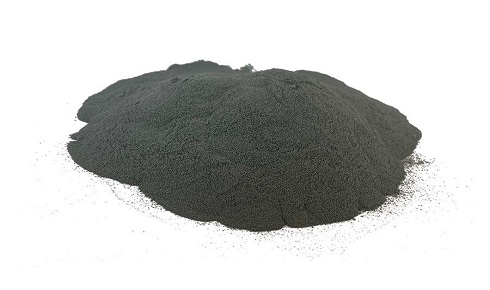
Silica Fume for High-Performance Concrete is an important solution for construction projects that require high strength, low permeability, and long-term durability. From bridges and tunnels to marine structures and high-rise buildings, silica fume helps improve the performance of concrete under demanding environmental conditions.
Also known as microsilica, silica fume is a highly reactive supplementary cementitious material collected as a by-product during the production of silicon metal and ferrosilicon alloys in electric arc furnaces.
With its extremely fine particles and high amorphous silica content, silica fume improves concrete through two main mechanisms: the micro-filler effect and the pozzolanic reaction.
In this article, we explain how silica fume works, its main benefits, and why it is widely used in modern concrete production.
1. What Makes Silica Fume Suitable for High-Performance Concrete?
Silica fume has several physical and chemical properties that make it valuable in concrete applications.
Extremely Fine Particle Size
Silica fume particles are much smaller than ordinary cement particles. They can fill tiny spaces between cement grains, improving particle packing and helping create a denser concrete structure.
High Amorphous SiO₂ Content
Silica fume contains a high proportion of amorphous silicon dioxide (SiO₂). This reactive silica can combine with calcium hydroxide released during cement hydration to form additional calcium silicate hydrate (C-S-H) gel.
High Pozzolanic Reactivity
The pozzolanic reaction contributes to a more refined cement matrix and better bonding within the concrete structure.
These characteristics make silica fume a valuable material for producing high-strength and high-performance concrete.
2. How Silica Fume Improves Concrete Strength
One of the main reasons for using silica fume in concrete is its ability to improve the internal structure of cement-based materials.
2.1 Micro-Filler Effect
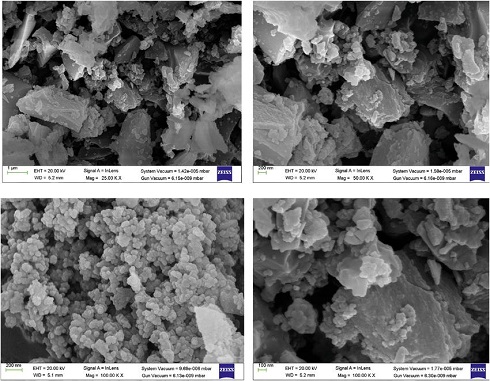
The extremely fine particles of silica fume fill small voids between cement particles and within the cement paste.
This improves particle packing density and helps reduce the size and connectivity of pores.
A denser internal structure can contribute to higher compressive strength and better bonding between cement paste and aggregates.
2.2 Pozzolanic Reaction
During cement hydration, calcium hydroxide (Ca(OH)₂) is produced.
The active silica in silica fume reacts with calcium hydroxide in the presence of water, forming additional calcium silicate hydrate (C-S-H) gel.
C-S-H is one of the primary binding products responsible for concrete strength.
This additional gel helps strengthen the cement matrix and improve the overall mechanical properties of concrete.
2.3 Improved Interfacial Transition Zone
The interfacial transition zone (ITZ) is the region between cement paste and aggregate particles.
Compared with the surrounding cement paste, this area may contain more pores and represent a relatively weak part of the concrete structure.
Silica fume helps refine the ITZ through improved particle packing and additional C-S-H formation.
As a result, concrete can develop better internal bonding and improved structural performance.
3. How Silica Fume Improves the Durability of Concrete
Strength is important, but durability is equally essential for long-term construction performance.
Silica fume helps reduce concrete permeability and limits the movement of water and harmful substances through the cement matrix.
3.1 Reduced Water Permeability
The micro-filler effect and pozzolanic reaction help refine the pore structure of concrete.
This makes it more difficult for water to move through the concrete matrix.
Reduced permeability is particularly valuable for structures exposed to moisture, groundwater, and harsh environmental conditions.
3.2 Improved Resistance to Chloride Penetration
Chloride ions can enter concrete and contribute to the corrosion of embedded steel reinforcement.
Properly designed concrete containing silica fume can reduce chloride penetration by refining its pore structure and increasing electrical resistivity.
This makes silica fume particularly useful in:
- Marine and coastal structures
- Bridges and highway infrastructure
- Reinforced concrete parking structures
- Concrete exposed to deicing salts
3.3 Better Resistance to Chemical Attack
In suitable concrete mixtures, silica fume can improve resistance to certain aggressive environments, including sulfate exposure.
Its contribution mainly comes from a denser pore structure and reduced transport of harmful substances.
However, actual performance depends on cement composition, concrete mix proportions, exposure conditions, and proper curing.
4. Main Applications of Silica Fume in High-Performance Concrete
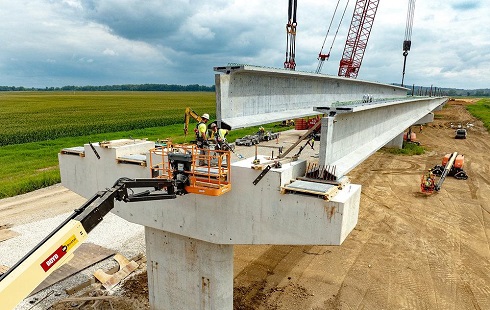
Silica fume is widely used in construction projects where strength, durability, and low permeability are important.
High-Strength Concrete
Silica fume is commonly added to high-strength concrete to improve compressive strength and refine the cement matrix.
It is especially useful in structural elements requiring high load-bearing capacity.
Bridge and Highway Construction
Bridge decks and highway structures are frequently exposed to moisture and chloride-containing environments.
Silica fume can help reduce permeability and improve the durability of reinforced concrete.
Marine and Coastal Engineering
Concrete structures exposed to seawater require good resistance to chloride penetration.
When properly proportioned and cured, silica fume can help improve the long-term performance of marine concrete.
High-Rise Buildings
High-performance concrete containing silica fume can be used in structural elements that require high compressive strength and reliable mechanical properties.
Industrial and Infrastructure Projects
Silica fume is also used in specialized concrete mixtures for tunnels, precast components, and other demanding infrastructure applications.
5. Important Factors When Selecting Silica Fume for Concrete
Selecting the right silica fume quality is essential for achieving consistent concrete performance.
Buyers and concrete manufacturers should consider the following parameters:
SiO₂ Content
Silicon dioxide content is one of the most important indicators of silica fume chemical composition.
Loss on Ignition (LOI)
LOI indicates the mass lost during heating and is an important quality-control parameter. It can reflect the presence of carbon and other volatile components.
Particle Characteristics and Specific Surface Area
Particle fineness, surface area, and dispersion influence the filling effect and reactivity of silica fume.
Moisture Content
Moisture content affects material storage, handling, transportation, and batching accuracy.
Bulk Density
Bulk density is important when evaluating packaging, transportation, storage, and material handling requirements.
6. Recommended Dosage and Mixing Considerations
The appropriate silica fume dosage depends on the desired concrete performance and mix design.
A commonly used reference range is approximately 5%–15% of the total cementitious material by mass. However, this is a general industry range rather than a universal requirement.
Because silica fume has a high specific surface area, its addition may increase water demand and affect concrete workability.
To maintain suitable workability without unnecessarily increasing the water-to-cementitious-material ratio, high-range water-reducing admixtures are commonly used.
Proper mixing and curing are also important. Adequate curing supports cement hydration and pozzolanic reactions, while early-age moisture protection helps manage shrinkage-related risks.
7. Why Choose a Reliable Silica Fume Supplier?
For concrete producers and construction material manufacturers, choosing a reliable silica fume supplier is an important part of maintaining production quality.
Beyond the purchase price, buyers should evaluate:
- Consistent SiO₂ content and chemical composition
- Stable particle characteristics and physical properties
- Consistent quality between production batches
- Complete technical data sheets and inspection reports
- Suitable packaging and storage conditions
- Reliable production capacity and delivery arrangements
A qualified supplier should provide clear specifications and help customers identify suitable products for their intended applications.
Conclusion: Silica Fume for High-Performance Concrete
Silica Fume for High-Performance Concrete offers important advantages for modern construction.
Through its micro-filler effect and pozzolanic reaction, silica fume helps improve particle packing, strengthen the cement matrix, refine the interfacial transition zone, and reduce concrete permeability.
These properties make it a valuable material for high-strength concrete, bridges, marine engineering, high-rise buildings, and other demanding infrastructure projects.
For concrete manufacturers looking to improve strength and durability, selecting suitable silica fume quality and applying it with a proper mix design are essential.
Looking for a Reliable Silica Fume Supplier?
LS Ferroalloy provides industrial mineral and metallurgical material solutions for international customers.
Contact us to discuss your required SiO₂ content, technical specifications, packaging, and application requirements.
Anyang Lishi Industrial Co., Ltd. | LS Ferroalloy
Website: https://www.lsalloy.com/
Email: info@lsalloy.com
WhatsApp: +86 15837207537
References
- American Concrete Institute (ACI). ACI PRC-234-26: Use of Silica Fume in Concrete—Guide (2026). https://www.concrete.org/store/productdetail.aspx?Format=PROTECTED_PDF&ItemID=23426&Language=English
- ACI Education Bulletin E3-13. Cementitious Materials for Concrete. https://www.concrete.org/Portals/0/Files/PDF/E3-13.01.pdf
- Silica Fume Association. Silica Fume User's Manual. https://www.silicafume.org/pdf/silicafume-users-manual.pdf
- Harald Justnes. Silica Fume in High-Quality Concrete—A Review of Mechanism and Performance (2007). https://www.concrete.org/publications/internationalconcreteabstractsportal.aspx?id=18705&m=details