
As we advance into 2026, the global metallurgy, foundry, and refractory industries are undergoing a profound structural shift. With the full implementation of the EU's Carbon Border Adjustment Mechanism (CBAM) and persistent volatility in energy prices and supply chains, sourcing high-quality, low-consumption ferroalloy raw materials is no longer just a technical preference—it has become a strategic necessity for cost control and risk mitigation.
As a reliable global partner in the ferroalloy and mineral sectors since 1999, Anyang Lishi Industrial analyzes the core industry challenges of 2026 and offers targeted material optimization solutions.
Challenge 1: Rising Refining Costs Driven by Surging Energy Prices—How to Improve Thermal Efficiency?
According to recent 2026 market reports, major ferroalloy producing regions face elevated smelting costs due to fluctuating electricity rates and raw material prices (such as semi-coke and silica). In high-tariff regions, energy can account for up to half of total production costs. Consequently, downstream steel mills and foundries must shorten smelting cycles and minimize unnecessary power consumption during secondary refining.
Solution: Efficient Deoxidation and Inoculation to Shorten Smelting Cycles
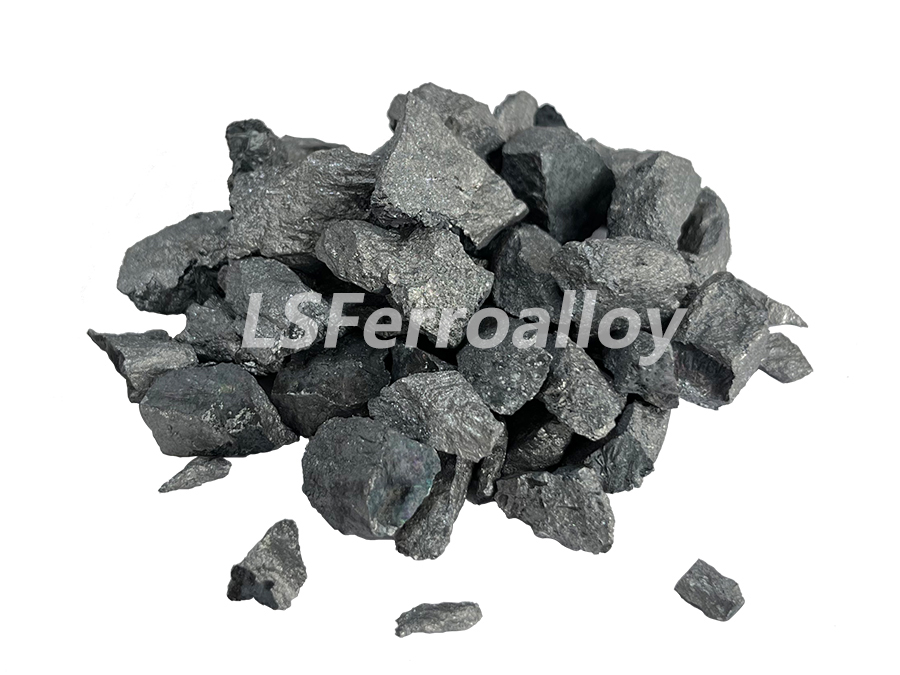
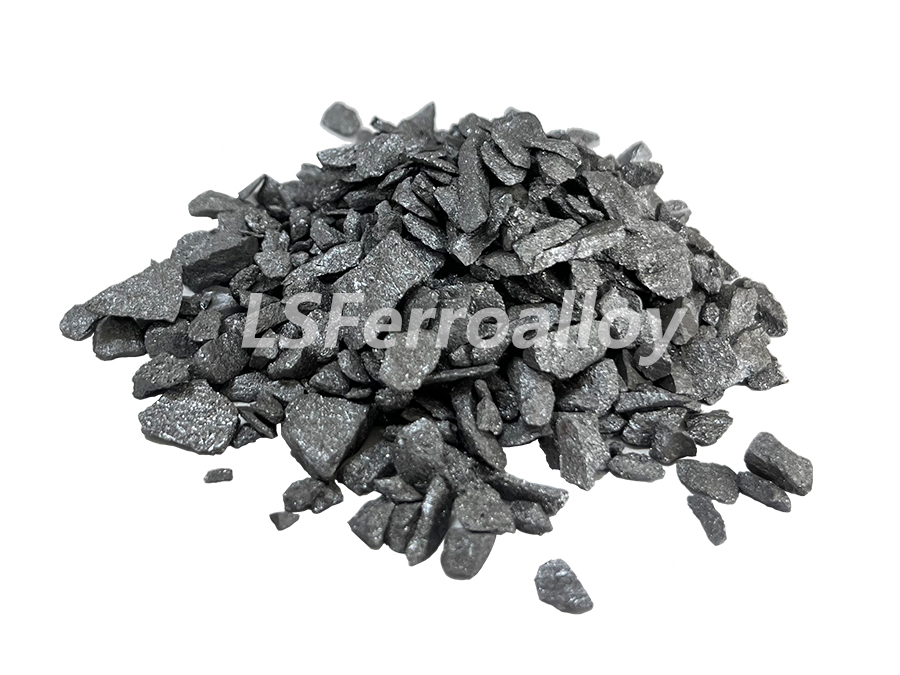
By utilizing premium Calcium Silicon (CaSi) alloy, Inoculants, and Nodulizers (FeSiMg) manufactured by Anyang Lishi Industrial, operators can notably accelerate the dissolution and reaction rates within molten iron or steel. This effectively removes oxygen and harmful impurities while optimizing the microstructure of gray iron, minimizing chill formations. Thanks to more predictable physicochemical reactions, enterprises can lower energy expenditures from secondary heating without compromising the mechanical properties of the final product.
Challenge 2: Strict Purity Mandates Driven by High-Tech and EV Market Surges
A defining feature of the 2026 market is the stringent requirement pushed down by high-tech sectors. For instance, silicon steel (electrical steel) used in electric vehicle (EV) drive motors and transformers requires exceptionally low levels of aluminum, calcium, and titanium impurities in its ferrosilicon base. Similarly, the thin-film transistor (TFT) glass sector is increasingly focusing on ultra-low iron content (low-iron quartz) in mineral inputs. Exceeding impurity thresholds directly degrades product performance and lowers manufacturing yield rates.
Solution: Rigorous Customization and End-to-End Composition Control
To meet these exacting standards, Anyang Lishi Industrial leverages its state-of-the-art in-house laboratory and testing center to provide tailored, high-purity Ferro Silicon (FeSi) and Silicon Metal. From raw mineral sourcing to final packaging, we implement multi-stage quality control checks and fully support independent third-party strength and composition inspections from recognized bodies such as SGS, BV, and CCIC. By stabilizing chemical composition, we help you mitigate batch-to-batch variations and maintain stable operations on high-end steel production lines.
Challenge 3: Escalating CBAM Compliance Pressures and the Need for Extended Refractory Lifespans
Under the green metallurgy transition, steel mills are actively adopting low-carbon operational modes for converters and electric arc furnaces (EAFs). More frequent thermal cycling and higher refining temperatures pose severe threats to blast furnace linings and refractories. Frequent refractory replacement not only incurs substantial capital expenditure but also harms capacity utilization and overall carbon footprint metrics.
Solution: Advanced Nitride Alloys for Enhanced Slag and Erosion Resistance
Ferro Silicon Nitride and Silicon Nitride supplied by Anyang Lishi Industrial serve as ideal additives for modern, high-performance refractories. Incorporating these materials into blast furnace taphole clay, slag dams, and repair mixes substantially enhances high-temperature flexural strength, thermal shock resistance, and resistance to molten slag erosion. This extends the maintenance-free cycle of the furnace, reducing intermittent carbon emissions and cost accumulation associated with shutdowns, thereby helping companies align with low-carbon regulatory frameworks.
Industry Insight: In a volatile international ferroalloy market, relying solely on traditional cost-cutting procurement is no longer viable. Upgrading material inputs to improve metallurgical yield and extend refractory life is the sustainable path to maintaining long-term competitiveness.